 Bryan Kramer (photo, left) weighs in on the topic at Forbes.com.
Business Communication Teaching Resources
Take advantage of these complimentary resources you can use
in keeping your class relevant and up to date. Read More
The Importance of Humans in Digital Transformation
5 Ways Technology Is Changing Workplace Communications
 "While it’s easy to point to face-to-face meetings as one of the casualties of disruptive technologies, the way we communicate at work continues to undergo significant changes. And the latest innovations indicate that there’s more change on the horizon. If you blink, you could miss opportunities to help leverage technology and meet the needs of your organization. According to Adobe’s Future of Work Report, 81 percent of employees rated innovative technology as more important than perks and amenities. The 2016 survey revealed that employees in companies with state-of-the-art technology were more likely to feel creative, motivated and valued than employees working at companies with outdated technology. We rounded up 5 of the major ways technology is changing the way people in the workforce are communicating. Whether your team is all under one roof or spread out across different time zones, you may discover some new opportunities to enhance your business communications."
Deep Work: The Secret to Achieving Peak Productivity
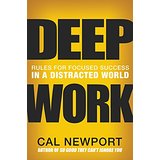 "In a world full of digital diversions, how are some people able to achieve a higher level of productivity than others? In the new book Deep Work: Rules for Focused Success in a Distracted World, Georgetown University professor Cal Newport demonstrates how you can develop the skills necessary to focus at an optimum level and reach peak productivity. Learning how to do “deep work,” he argues, is among the most valuable skills people can learn, and carries wider implications for economic growth."
50 Americanisms That Don’t Make Sense to Foreigners
 "We asked HuffPost Facebook followers from outside the U.S. if there are any words or phrases Americans use that don’t make sense to them as non-native English speakers or as native English speakers from elsewhere in the world."
"We’ve rounded up some of their most interesting answers below. While some of these words, phrases or language customs may not be exclusive to the U.S., Americans have certainly made an impression with them."
Read the full article by Caroline Bologna (photo, left) . . .How to Produce a Video: Overview of the Video Production Process
 "Video production is the process of converting an idea or story into a video. Because video production can be extremely complex, we simplified it into three main parts: . . ."
How to Open and Close Presentations
 "In this clip Mark Powell provides best practice tips for opening and closing presentations. . . ."
Combining Quotation Marks, Question Marks, AND Commas (Whew!)
 Mignon Forgarty, aka Grammar Girl, tackles the subject.
Ending a Sentence with a Preposition
"One of the most frequent questions I’m asked is whether it’s acceptable to end a sentence with a preposition. I know many of you were taught that you shouldn’t end a sentence with a preposition, but it’s a myth. In fact, I consider it one of the top ten grammar myths . . . "

The Best To-Do List Is Actually Your Calendar
 "Follow this secret advice to better manage your schedule and time."
-
Bovée & Thill Videos
How You Should Prepare Students for the Mobile Shift in Business Communication
What’s Disrupting Business Communication? Your Students Are Holding It in Their Hands
Have You Prepared Your Business Communication Students for a Mobile Job Search?
Can Your Students Write Professionally for Mobile Audiences?

Subscribe
Copyright © 2018-2019 by St. Evangelista Inc. All rights reserved.